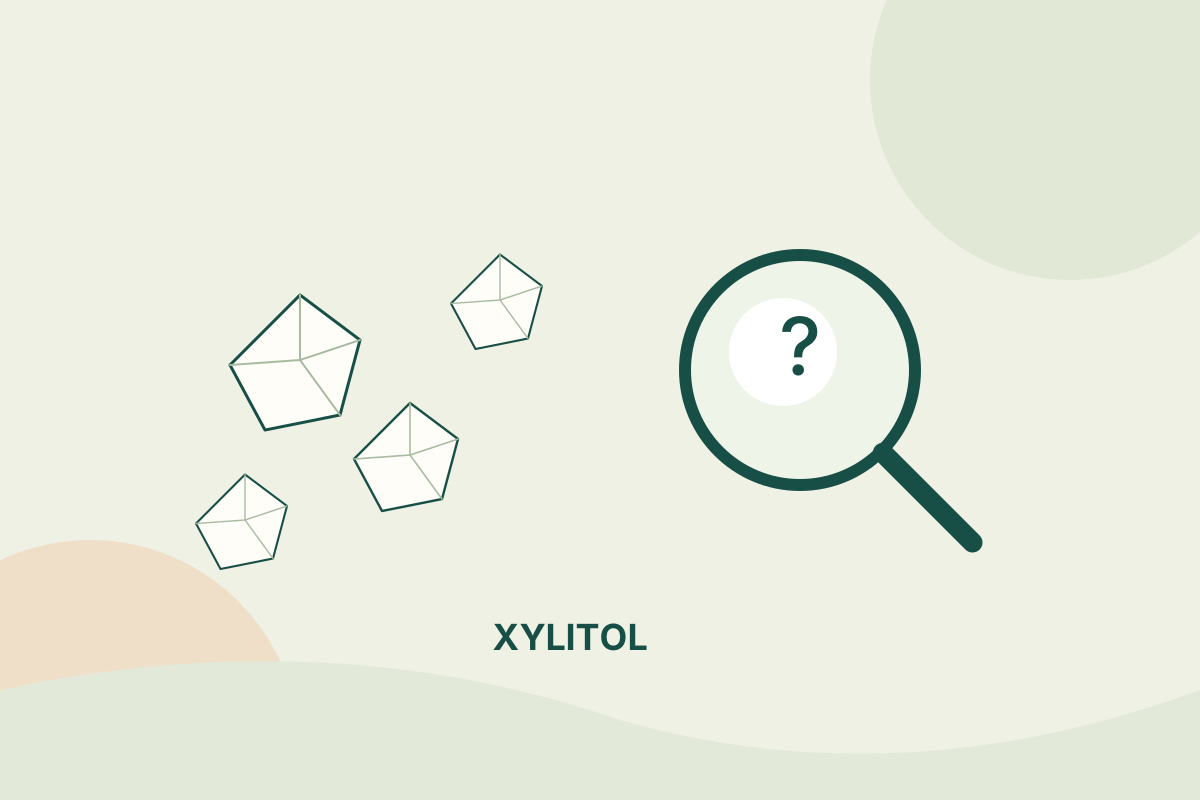
Xylitol appears in different kinds of products, so its name alone cannot explain how a particular product is intended to be used or what evidence supports it. This guide focuses on reading the label without stretching an ingredient mention into a dental promise. We have not verified that OxyDental’s current formula contains xylitol.
Identify the product before the ingredient
Start with the product type, intended use, directions, and full ingredient information. A gum, toothpaste, lozenge, and dietary supplement should not be treated as the same preparation simply because a label includes xylitol. The format and instructions belong to the exact product you are evaluating.
Then record where xylitol appears and whether its quantity is disclosed. A selected-ingredient graphic can establish only what it actually says. If the complete package does not provide an amount, do not supply one from a competitor, a serving weight, or the position of an ingredient in a simplified marketing list.
Separate inclusion from a studied amount
An ingredient listing can indicate inclusion without showing the quantity used in each serving or the pattern of exposure. A research paper may describe a specific product, amount, frequency, and study population. Those details cannot be assumed to match every other product bearing the ingredient name.
Make a short evidence table rather than comparing headlines. Record the product type studied, the outcome, and any important limitations. If the product in your cart differs from the study preparation, preserve that distinction. The comparison should make the mismatch understandable instead of hiding it behind the phrase clinically studied ingredient.
| Check | Record | Why it helps |
|---|---|---|
| Inclusion | Full current ingredient list | Do not infer from category |
| Quantity | Disclosed amount, if any | Avoid inventing a regimen |
| Evidence | Same product and outcome | Recognize study mismatch |
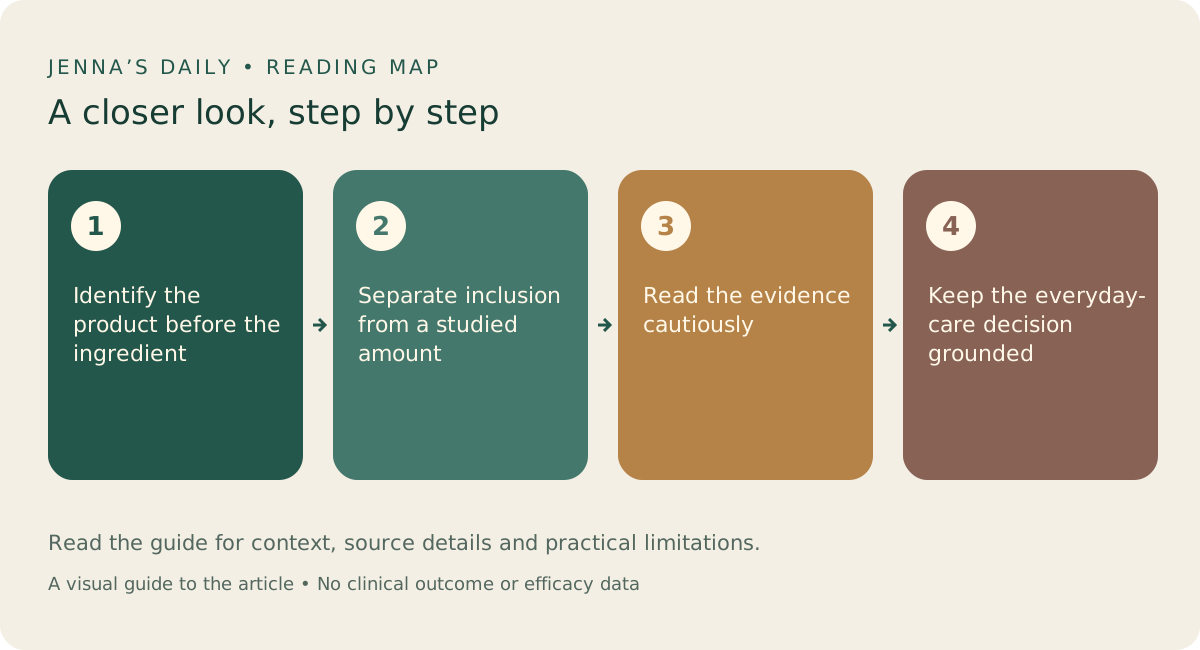
Read the evidence cautiously
The ADA’s nutrition and oral-health resource describes uncertainty in the evidence for xylitol’s caries-prevention benefits and notes low-quality evidence for its use as an adjunct in higher-risk groups. That does not support presenting every xylitol-containing product as a proven cavity treatment. A finished-product claim still needs its own relevant support.
We do not use the ingredient name to promise enamel repair, elimination of cavities, or replacement of professional treatment. We also do not give a personal xylitol schedule from this article. Ask a dentist about any specific product you are considering alongside the care plan you already follow.
Keep the everyday-care decision grounded
A useful label review can end with a request for information rather than a recommendation. Ask the seller for the full label and the evidence behind the exact claim. If the answer is only a general ingredient article, you still have an unresolved finished-product question. There is no need to turn that uncertainty into a rating.
OxyDental has not been verified as a xylitol-containing product here. Its current ingredient list must be obtained before any brand-specific statement is added. Meanwhile, keep the routine advice supplied by your dental professional in place; an optional product should not become a reason to delay care or abandon established oral hygiene.
A useful seller question
Instead of asking whether xylitol is good for teeth in general, ask which study supports the exact claim for the product and instructions being sold. Request the full reference and the current label. If the seller answers with a study on another delivery format, record the difference rather than silently treating the products as equivalent.
Sources & further reading
- American Dental Association: Nutrition and Oral Health ↗
- American Dental Association: Brushing Your Teeth ↗
Manufacturer information, when cited, is a commercial source. It does not establish that a finished product is clinically effective.